 Varun Sharma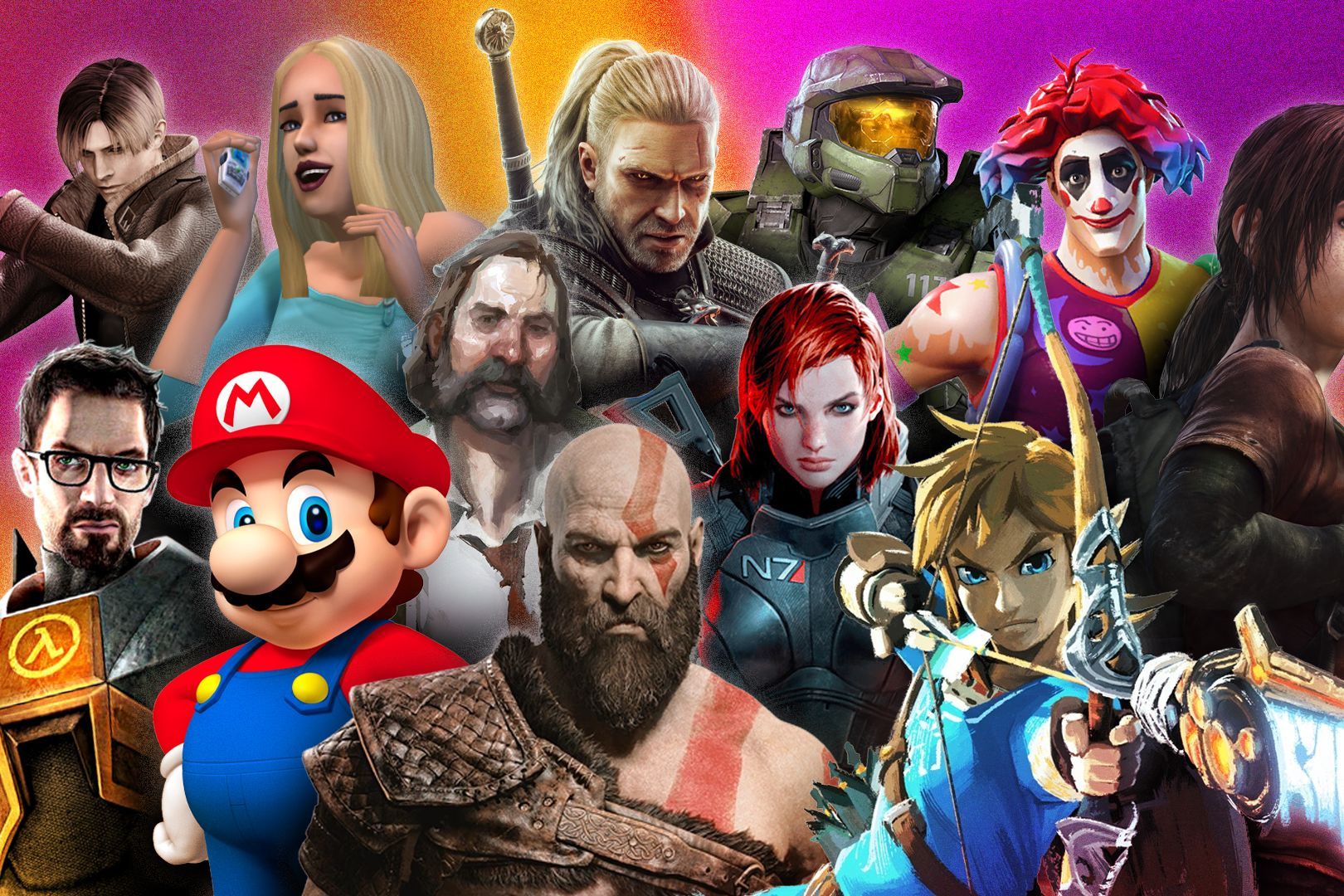
Games have grown from simple forms of digital entertainment into a major part of modern culture. Players can now choose from mobile games, PC titles, consoles, cloud gaming and competitive esports. Different formats serve different audiences, from casual players looking for short sessions to dedicated gamers who spend hours mastering a title.
Modern games can combine storytelling, exploration, strategy and competition. Open-world games allow players to explore large environments, while multiplayer titles connect people across different locations. Puzzle and strategy games focus more heavily on decision-making and problem solving.
Mobile gaming has made the industry particularly accessible. A smartphone can provide access to thousands of games without requiring a dedicated gaming device. Free-to-play models are common, although users should understand optional purchases and spending limits.
Online gaming has also created large communities. Players communicate through voice and text chat, join teams and participate in tournaments. Esports has turned some games into organized competitive activities with professional players, coaches, broadcasters and content creators.
Technology is pushing gaming into new areas. Better graphics, artificial intelligence, virtual reality and cloud infrastructure are changing how games are developed and played. Developers are also experimenting with more realistic environments and adaptive experiences.
Gaming should remain part of a balanced routine. Long sessions can interfere with sleep, study, work or other responsibilities. Players should also review privacy, age-rating, chat and spending settings, especially for younger users.
The gaming industry will continue to change as technology and player expectations develop. Despite these changes, the basic attraction remains the same: games offer interactive challenges, stories, competition and opportunities to connect with other people.
Keeping up with the latest news has become easier because information is available through websites, mobile applications, television, social media and notifications. However, speed also creates a challenge: the first information people see is not always the most complete or accurate.
A useful news routine begins with reliable sources. Readers can follow established news organizations and official websites for subjects such as government announcements, examinations, recruitment, business and public services. For important claims, checking more than one credible source can provide additional context.
Government job news is a good example. Recruitment information can change after an initial announcement. Current 2026 listings show multiple active opportunities for 10th- and 12th-pass candidates, including SSC CHSL, MP Police Constable and other state-level recruitments. Candidates should verify the final notification, application dates and eligibility from the relevant authority before applying. citeturn0search10turn0search11
News consumers should distinguish between a headline and the full story. A headline is designed to attract attention, while the article may contain conditions, exceptions and background information that change how the information should be understood.
Social media can be useful for discovering breaking developments, but posts can be incomplete or outdated. Before forwarding a claim, readers should check its date, original source and whether other reliable sources have reported the same information.
Following news does not require reading everything. People can choose categories that matter to them, such as education, jobs, technology, sports or local affairs. A short daily routine can provide useful awareness without constant notifications.
Good news consumption is therefore a combination of speed and verification. Staying informed is valuable, but accuracy matters more than being the first person to share a headline.