 Varun Sharma
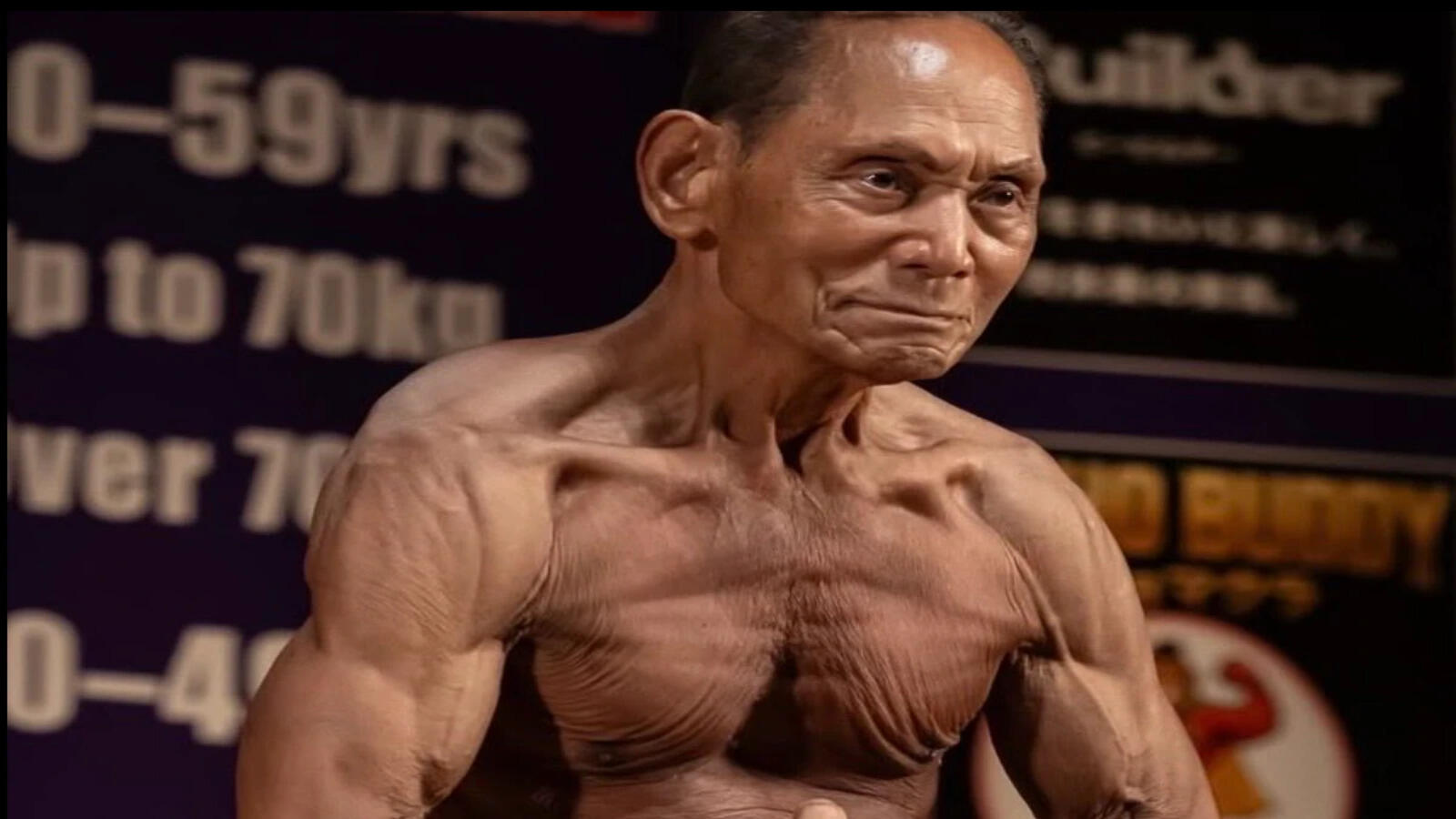
Fitness news is attracting attention after Japanese bodybuilder Toshisuke Kanazawa won his 19th national title at the age of 90.
The achievement has generated interest because it challenges common ideas about ageing and physical activity.
Kanazawa’s routine reportedly includes foods such as brown rice, natto and miso, while his diet does not include meat and fish.
His story has also raised questions about how nutrition and exercise can support physical activity in older age.
Ageing affects muscle mass, strength and recovery, making exercise increasingly important for maintaining physical function.
However, fitness experts generally emphasise that exercise programmes should be appropriate for an individual’s age, health and experience.
Another fitness story currently receiving attention involves endurance athlete Ankita Konwar, who completed an Ironman while injured and during her menstrual period.
Such stories can inspire people, but they also highlight the importance of recovery and responsible training.
Recent expert discussions have also questioned whether excessive high-intensity exercise and inadequate recovery can create problems over the long term.
A balanced fitness routine often includes strength training, cardiovascular activity, mobility work and sufficient rest.
The latest fitness conversations show that the focus is moving beyond simply losing weight or building muscle.
People are increasingly interested in healthy ageing, recovery, longevity and maintaining physical ability throughout life.
For beginners, this does not necessarily mean following an extreme training programme. Regular walking, resistance exercises and mobility work can provide useful foundations.
Nutrition is another important part of fitness. A healthy diet needs to provide enough protein, carbohydrates, fats, vitamins and minerals according to an individual’s requirements.
Kanazawa’s diet has attracted attention, but one person’s routine should not automatically be treated as a universal plan.
Fitness trends often spread quickly through social media, where unusual achievements can become viral. However, individual results can depend on genetics, training history, lifestyle and professional support.
The biggest lesson from the latest fitness stories is that physical activity can remain part of life at different ages.
At the same time, people should avoid copying extreme routines without considering their own circumstances.
As interest in longevity continues to grow, strength training, cardiovascular health, nutrition and recovery are likely to remain major topics in the fitness industry.
The story of a 90-year-old champion continuing to compete provides another example of how fitness is increasingly being discussed as a lifelong activity rather than something limited to young athletes.